Close
One of the most enduring youth culture tribes, the Goth scene as developed since the 80s, spawning a multitude of subgenres, fashions and sounds. Capturing our imagination as the darkest of subcultures, the Goth scene developed in the late 70s through venues such as the Batcave.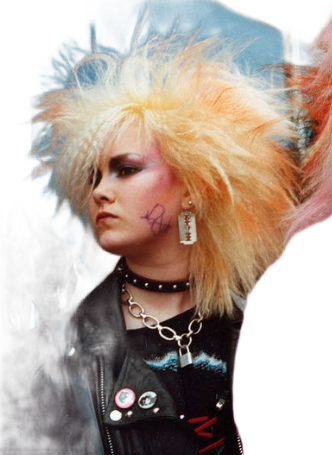
While the scene was developed mainly in the 1980s by fans of bands like Siouxsie and the Banshees, Joy Division, Bauhaus and other Gothic rock, as a dark aesthetic it is rooted in gothic art & architecture from the mid-12th to 16th centuries. One of the most enduring youth culture tribes, the Goth scene as developed since the 80s, spawning a multitude of subgenres, fashions and sounds. Capturing our imagination as the darkest of subcultures, the Goth scene developed in the late 70s through venues such as the Batcave. While the scene was developed mainly in the 1980s by fans of bands like Siouxsie and the Banshees, Joy Division, Bauhaus and other Gothic rock, as a dark aesthetic it is rooted in gothic art & architecture from the mid-12th to 16th centuries.
One of the most enduring youth culture tribes, the Goth scene as developed since the 80s, spawning a multitude of subgenres, fashions and sounds. Capturing our imagination as the darkest of subcultures, the Goth scene developed in the late 70s through venues such as the Batcave.
While the scene was developed mainly in the 1980s by fans of bands like Siouxsie and the Banshees, Joy Division, Bauhaus and other Gothic rock, as a dark aesthetic it is rooted in gothic art & architecture from the mid-12th to 16th centuries. One of the most enduring youth culture tribes, the Goth scene as developed since the 80s, spawning a multitude of subgenres, fashions and sounds. Capturing our imagination as the darkest of subcultures, the Goth scene developed in the late 70s through venues such as the Batcave. While the scene was developed mainly in the 1980s by fans of bands like Siouxsie and the Banshees, Joy Division, Bauhaus and other Gothic rock, as a dark aesthetic it is rooted in gothic art & architecture from the mid-12th to 16th centuries.
Close
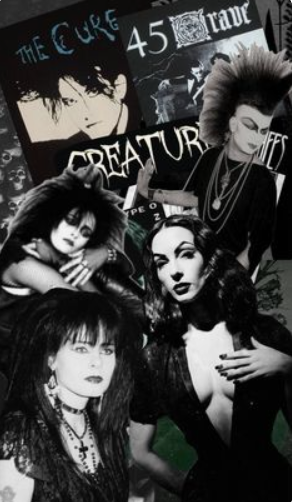
Bauhaus is widely credited as the first goth band. The band formed in Northampton, England, in 1978, and quickly gained a following with their dark, atmospheric sound and theatrical live shows. Their debut single, “Bela Lugosi's Dead,” is still considered a classic of the genre.
The Cure are one of the most recognizable bands of the goth movement, thanks to their distinct, gloomy sound and frontman Robert Smith’s iconic wild hair. The band formed in Crawley, England, in 1976, and quickly gained a following with their moody, introspective sound. The band’s early albums, including “Seventeen Seconds” and “Faith,” are considered classics of the genre. The Cure gained mainstream success in the 1990s with hits such as “Friday I’m In Love,” but their early music, including “A Forest” and “Charlotte Sometimes,” set the stage for goth music to come.
Bauhaus is widely credited as the first goth band. The band formed in Northampton, England, in 1978, and quickly gained a following with their dark, atmospheric sound and theatrical live shows. Their debut single, “Bela Lugosi's Dead,” is still considered a classic of the genre.
The Cure are one of the most recognizable bands of the goth movement, thanks to their distinct, gloomy sound and frontman Robert Smith’s iconic wild hair. The band formed in Crawley, England, in 1976, and quickly gained a following with their moody, introspective sound. The band’s early albums, including “Seventeen Seconds” and “Faith,” are considered classics of the genre. The Cure gained mainstream success in the 1990s with hits such as “Friday I’m In Love,” but their early music, including “A Forest” and “Charlotte Sometimes,” set the stage for goth music to come.
Close
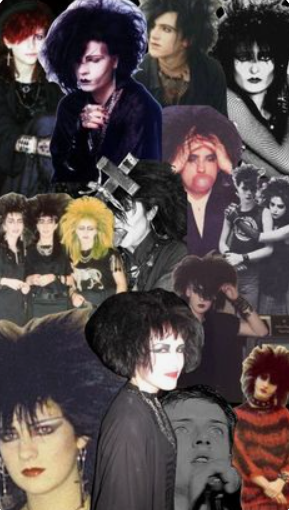
From 1982 onwards, many bands (who were often labeled as post-punk or positive punk before goth was coined) performed in a London based nightclub called The Batcave. This became a place where bands and fans alike mixed, further developing the goth style. Dark femininity, as well as other stylistic aesthetics like sheer fabrics and fishnets, were made popular during this time.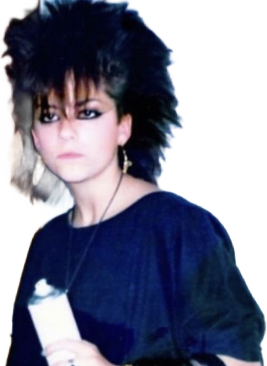
From here, the style spread across Britain and beyond to become an international phenomenon. Young people began to adopt the style. In the mid 80’s, The Sisters of Mercy became one of the most well-known goth bands because their music was more accessible to the general public than earlier post-punk bands and their visual aesthetic was also less extreme. Their tamer interpretation of goth: cemented dark hair, pointed boots, tight black jeans, and shades also created the subgenre, gothic rock. Supported by music journalist, this version of goth was picked up by the masses beginning and throughout the early 1990’s.
From 1982 onwards, many bands (who were often labeled as post-punk or positive punk before goth was coined) performed in a London based nightclub called The Batcave. This became a place where bands and fans alike mixed, further developing the goth style. Dark femininity, as well as other stylistic aesthetics like sheer fabrics and fishnets, were made popular during this time.
From here, the style spread across Britain and beyond to become an international phenomenon. Young people began to adopt the style. In the mid 80’s, The Sisters of Mercy became one of the most well-known goth bands because their music was more accessible to the general public than earlier post-punk bands and their visual aesthetic was also less extreme. Their tamer interpretation of goth: cemented dark hair, pointed boots, tight black jeans, and shades also created the subgenre, gothic rock. Supported by music journalist, this version of goth was picked up by the masses beginning and throughout the early 1990’s.
Close
Today, goth is still visible, both through those young people in the 1980s and 1990s who have since grown up and remained true to the subculture, but also in younger generations today who find something revolutionary and compelling about the music and the clothing of goth.
Goth culture still exists today, although it has evolved significantly since its peak in the 1980s and 1990s. While the mainstream visibility of Goth subculture has diminished compared to its height, there are still active communities that celebrate its music, fashion, and aesthetic.
Today, goth is still visible, both through those young people in the 1980s and 1990s who have since grown up and remained true to the subculture, but also in younger generations today who find something revolutionary and compelling about the music and the clothing of goth.
Goth culture still exists today, although it has evolved significantly since its peak in the 1980s and 1990s. While the mainstream visibility of Goth subculture has diminished compared to its height, there are still active communities that celebrate its music, fashion, and aesthetic.
Click on the faces to read more

Zombies are often disputed as not "goth" enough, but the truth is that alongside with vampires, they have always had their place among the followers of the gothic culture

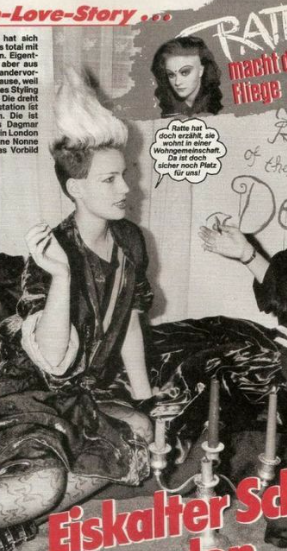
The make-up of the goths was also widespread among new-romantics and new wavers, making the three kinds of movements often blurring into each other.
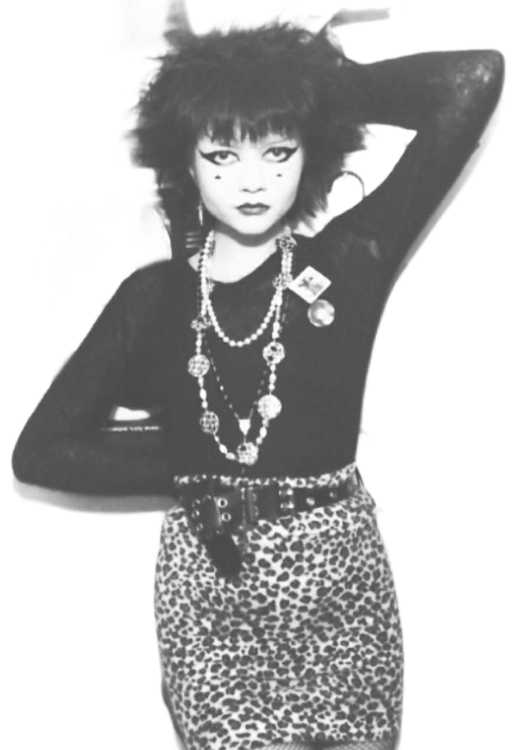
However, the classic gothic look most often consists of black, while the other styles are more colorful
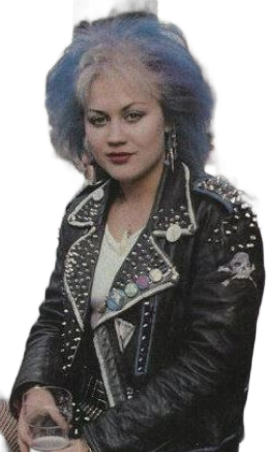
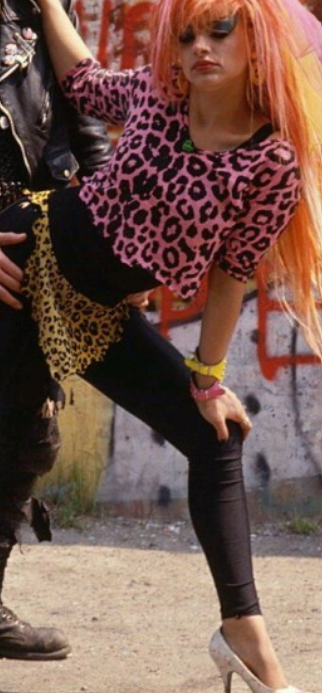
Punk was the predecessor of the Goth subculture. It's basically what spurred the movement along.